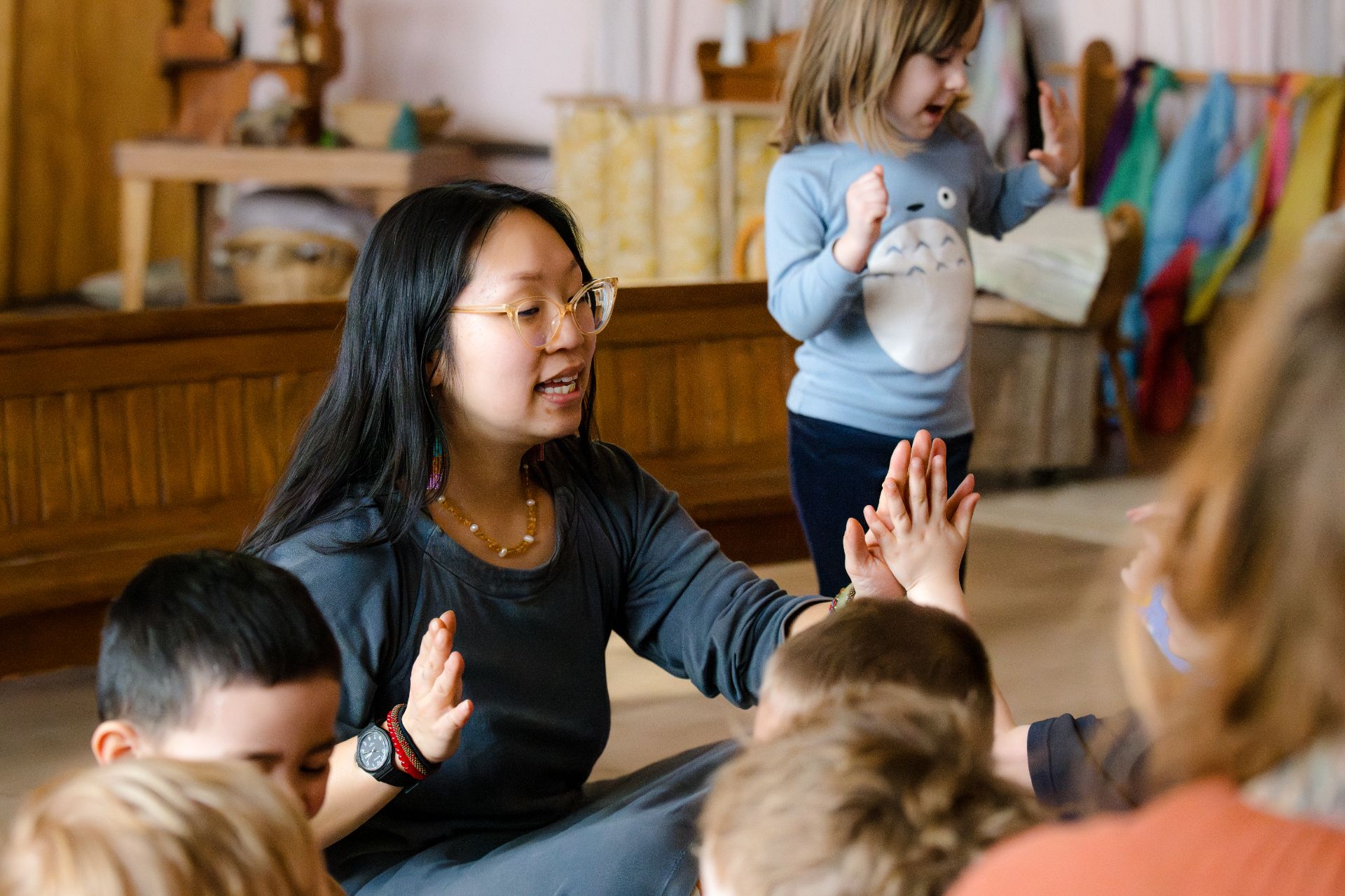
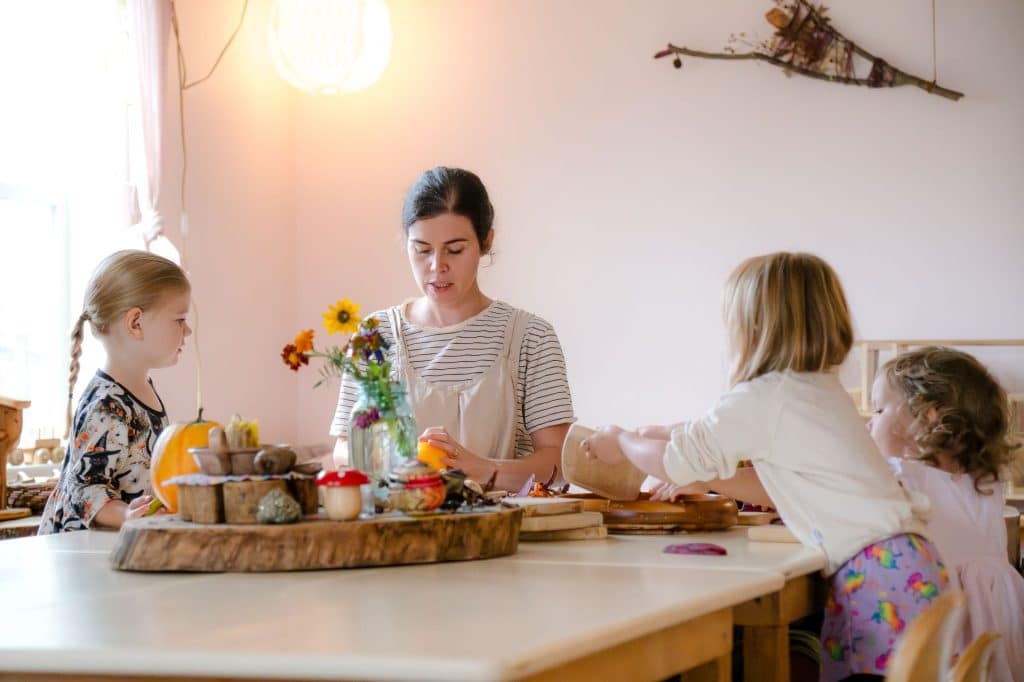
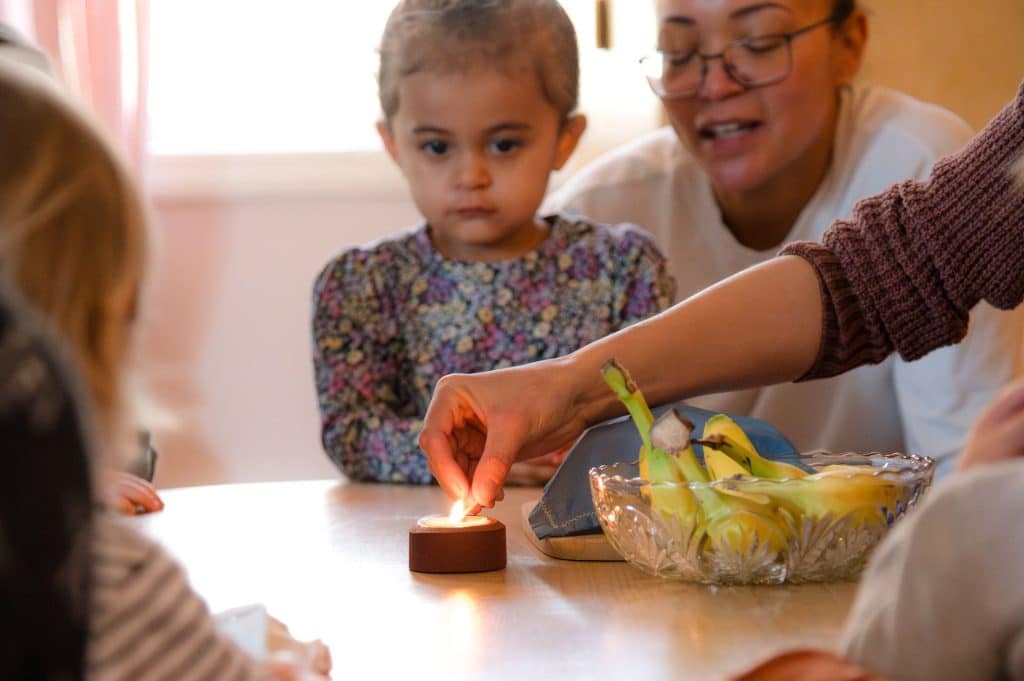
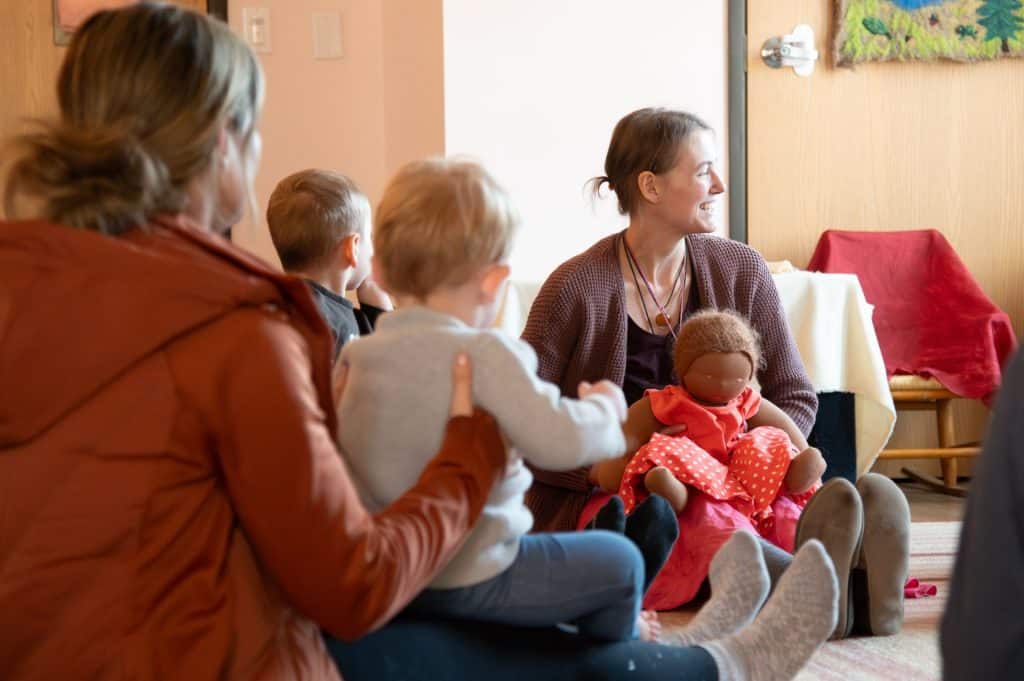
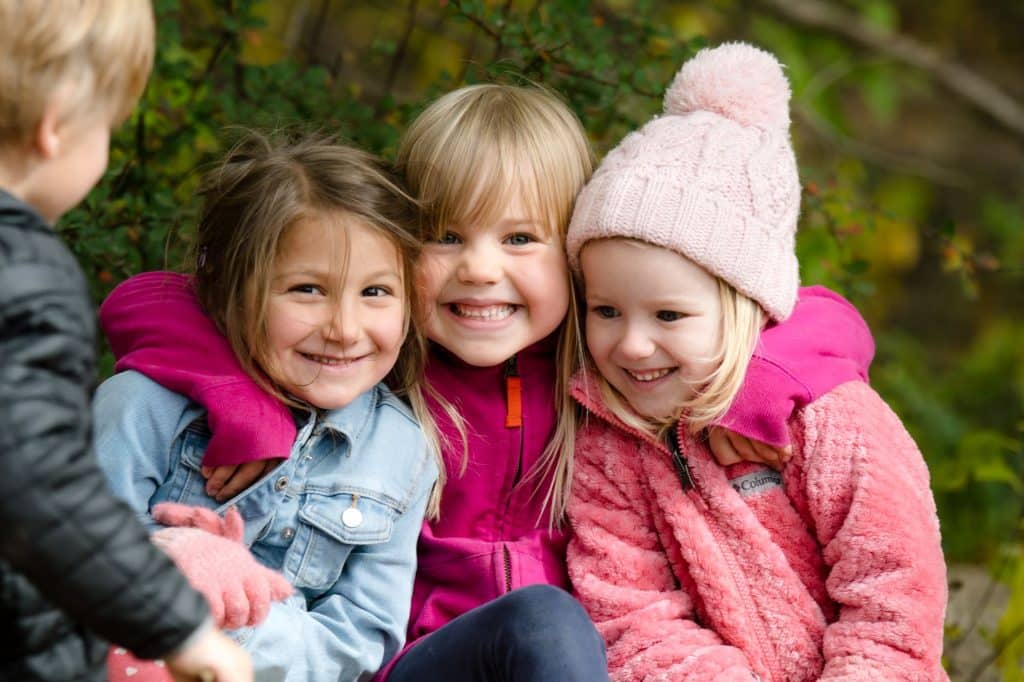
early childhood class children playing together

Early Childhood

Joyful rhythms of story, song, purposeful work, free play, and experience in nature guide each day. 

In our sun-lit classrooms, the Faerie Wood, stream, meadow, and our playgrounds, children grow and unfold as unique human beings, held by the beauty and goodness of the world and the loving care of their teachers.

Overview

A rich and nourishing environment where young children grow and thrive

River Valley’s Early Childhood students spend their days in warm, light-filled rooms as well as outdoors in all weather exploring the woods, meadow, and stream on our seven acre campus.

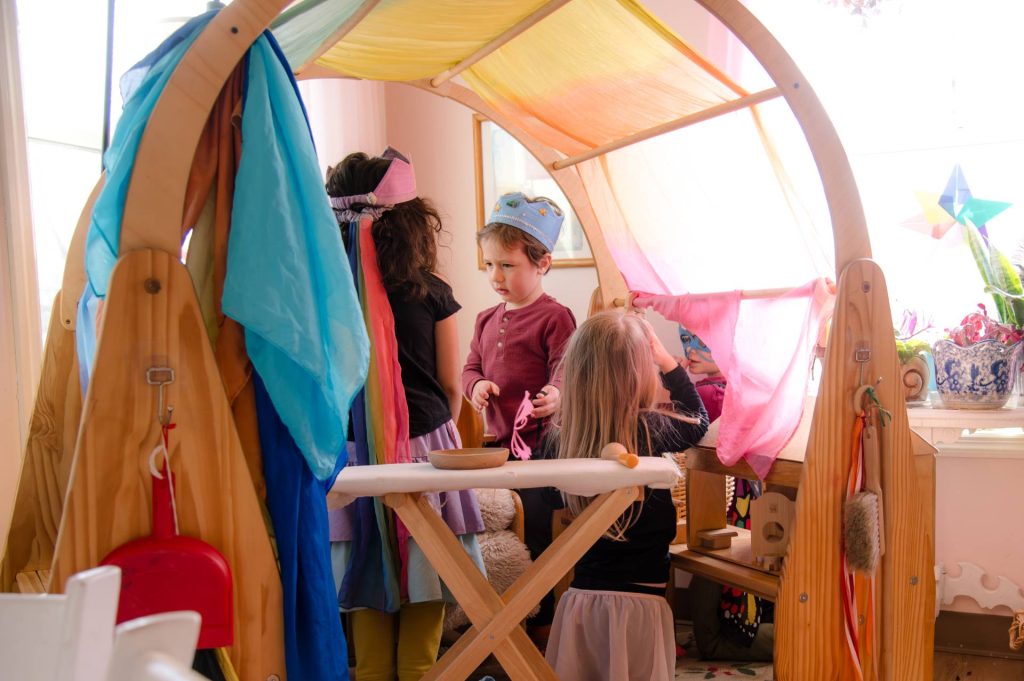
A gentle rhythm moves children through a day of free play both inside and outdoors, communal snack and meal times, purposeful activities including bread-baking, watercolor painting, seasonal crafts, and a circle time that includes song, movement, poetry, and story. Natural materials invite imaginative play; practical work like sewing, digging, and raking leaves fosters coordination, confidence, and appreciation; cooking and games lay foundations for mathematical thinking; and rich storytelling nurtures language development, empathy, and imagination.

Rooted in wholesome, predictable routines and a deep respect for childhood, these first school years kindle curiosity, social skills, and a joyful love of learning that will carry your child forward.

group of early childhood students sitting at a table
Infant to 3 years old — 9 to 11am

Garden Gate

A day in our younger early childhood classes includes plenty of time to explore and play both within the classroom and outdoors.

Inquire Now
2.27.2024 gg 76

Garden Gate is a warm and welcoming community for parents/caregivers, and their young children. 

A day in Garden Gate includes indoor free play, circle activities, a shared snack, and time exploring outdoors. 

Here, you’ll connect with others in a supportive space that honors the early years of childhood and offers gentle guidance on Waldorf-inspired parenting. 

Through shared activities and quiet moments, Garden Gate nurtures a sense of belonging and offers a peaceful start to your child’s learning journey.

2.27.2024 gg 100
2 years, 7 months to 4 years old*

Rosebud Class, Transitional Early Childhood Program

The Rosebud program is intended to support children and their families in the transition to a drop-off school experience.

Inquire Now
5.17.2024 ec 1g 14

Children will spend the first several weeks attending the program along with a parent or trusted caregiver.

The Rosebud program supports children and their families in the transition to a drop-off school experience. Children will spend the first several weeks attending the program along with a parent or trusted caregiver. During this time the children learn the nourishing rhythms that will carry them through the rest of the year and into the rest of their time in the Early Childhood program. Parents and caregivers actively participate in activities such as crafts and handwork while attending the class, being available as an anchor for their child while remaining mindful and intentional in holding space for their child’s independent growth in the class. The daily rhythm includes indoor free play, preparation and partaking in a snack, circle games and songs, seasonal crafts, outdoor exploration, puppet shows, and story time.

During this time the children learn the nourishing rhythms that will carry them through the rest of the year and into the rest of their time in the Early Childhood program. Parents and caregivers actively participate in adult activities such as crafts and handwork while attending the class, being available as an anchor for their child while remaining mindful and intentional in holding space for their child’s independent growth in the class.

The daily rhythm includes indoor free play, preparation and partaking in snack, circle games and songs, seasonal crafts, outdoor exploration, puppet shows, and story time.

* Special consideration may be made for children turning 2 years, 7 months by the transition date. Children must be under 4 years old as of 9/1 to join the program 3 and 5 days a week, half and full days available.

boy early childhood student holding a rock
Age: 2 years, 7 months – 6 years.
3 and 5 days a week, half and full days available

Early Childhood Classes

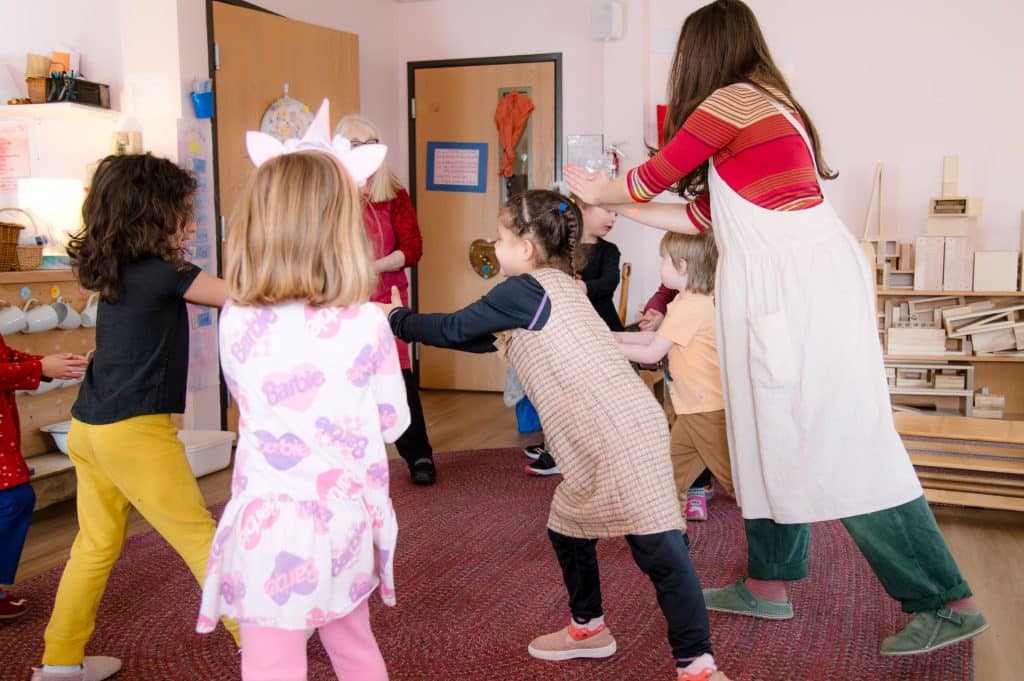
Days in our early childhood classrooms follow through a gentle rhythm of play, exploration, and meaningful activity—both indoors and outdoors.

Inquire Now
goldenrod early childhood class children laying down in a circle with teachers

Children engage in free play, circle time, listen to stories, and meaningful work such as bread baking, watercolor painting, and seasonal crafts. Through imaginative play, purposeful work, and rich sensory experiences, they develop focus, creativity, and resilience while growing socially, emotionally, and physically. Storytelling, songs, and circle activities foster language development and a love of learning, while time spent in nature and caring for the classroom environment builds coordination, problem-solving, and a sense of stewardship.

Children are active participants in all aspects of the day, helping to prepare and serve snacks, bake bread, care for their surroundings, and create art. This hands-on approach cultivates cooperation, responsibility, and respect for self and others. Readiness for academic learning unfolds naturally as imagination, social skills, and holistic coordination are strengthened. Language and literacy are nurtured through story, poetry, and song, while mathematical thinking emerges organically in daily activities like baking, building, and rhythmic movement—laying a joyful, holistic foundation for lifelong learning.

*Children who turn 5 years old by September 1st must attend 5 days a week.

goldenrod class

Highlights of Early Childhood

  • Independent and Collaborative Free Play

    At the heart of our Early Childhood program is our understanding that self-initiated play is critical to the healthy development of all young children and vital to the maturation of executive function and socialization.

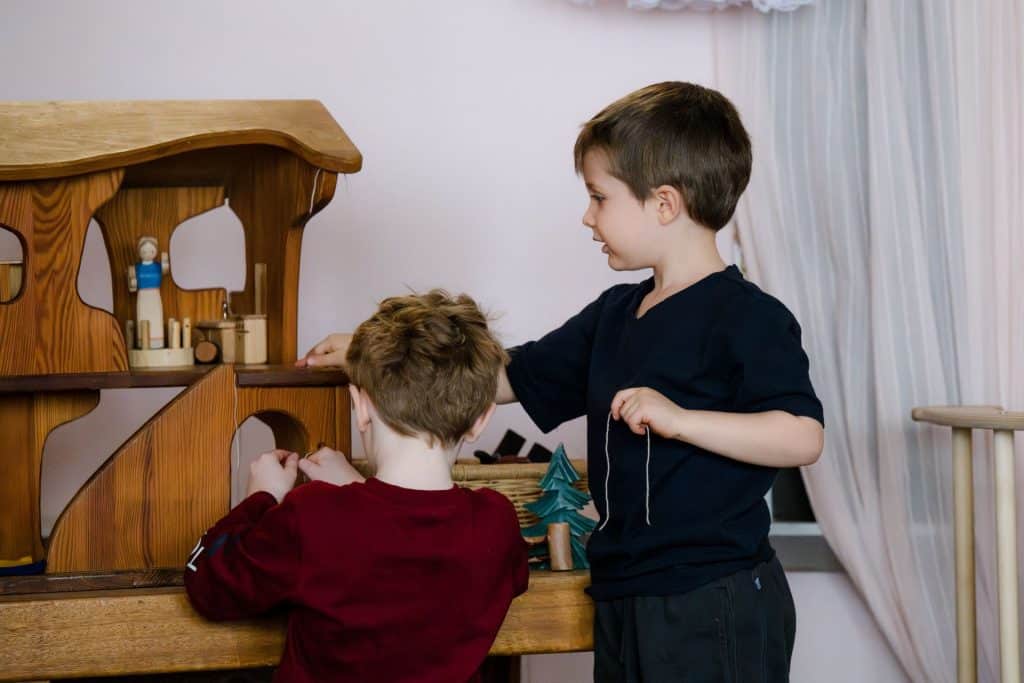
    Ample play time, both inside and outside, is part of each morning. Open-ended toys made from natural materials encourage children to create unlimited imaginative universes with their friends, which requires negotiation, patience, leadership, collaboration and self-regulation.

    early childhood boy students playing with blocks
  • Time In Nature

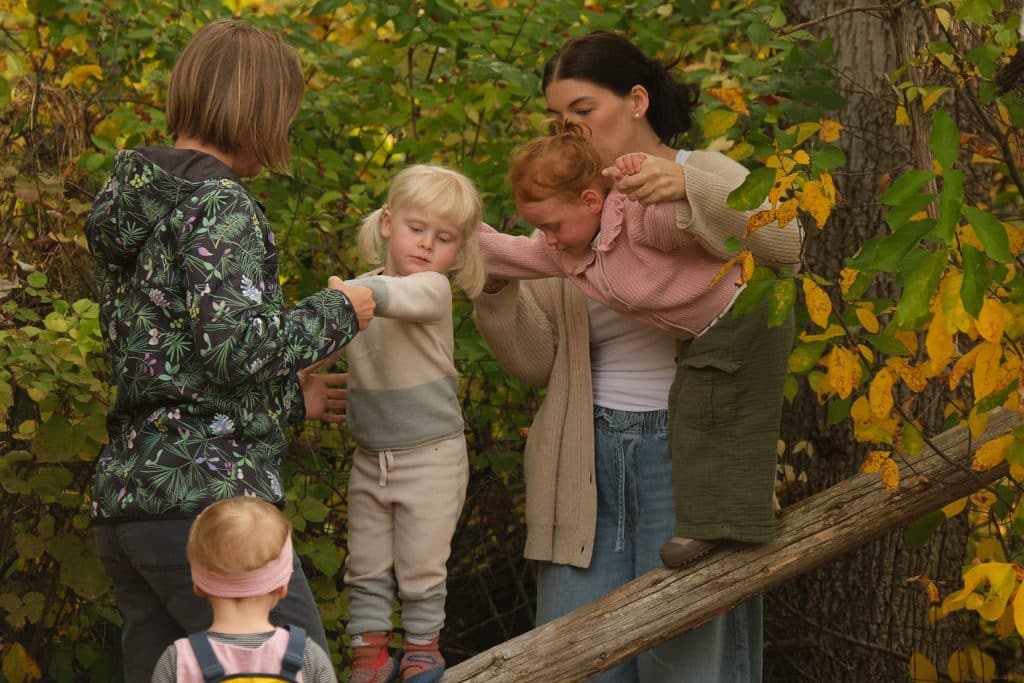
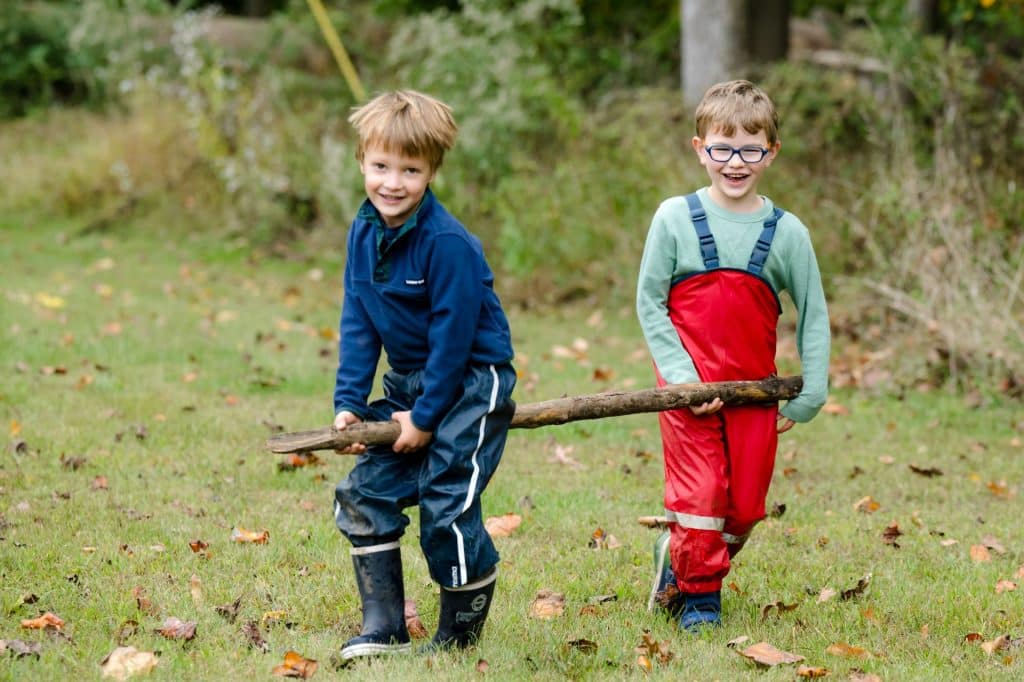
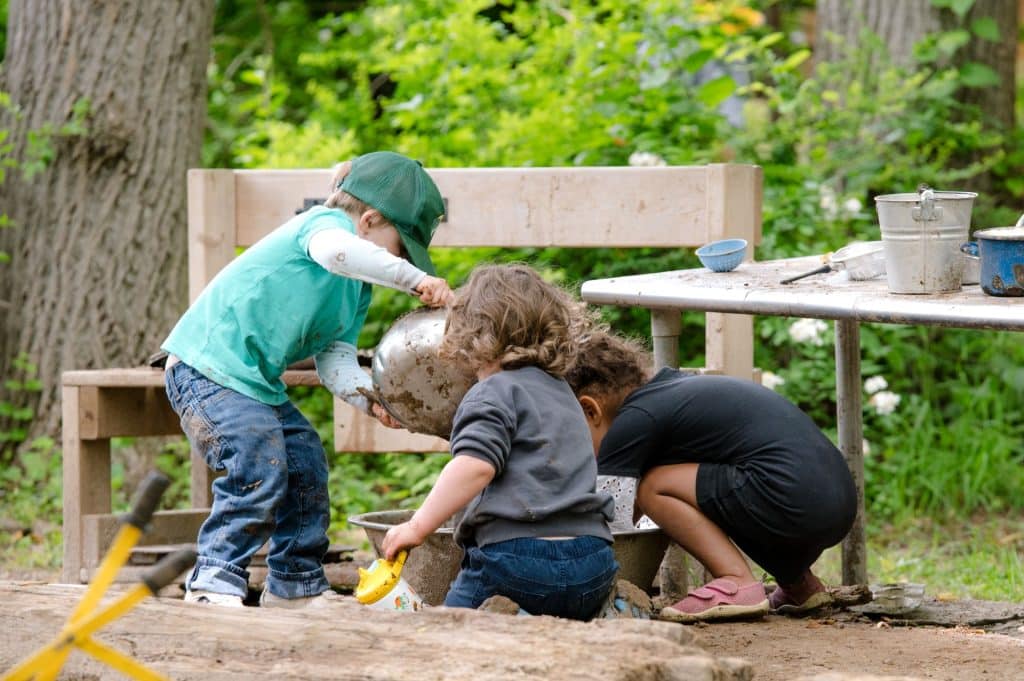
    River Valley’s seven acres provide abundant space for exploration and discovery. Climbing on rocks, sledding down the snowy hill, digging in the sandboxes, uncovering the world hidden beneath a flat stone, and sloshing through the front playground’s stream in spring all encourage in our children a life-long appreciation for the natural world, while supporting the development of their fine and gross motor skills.

    early childhood class out in nature wearing raincoats
  • Story Time & Puppetry

    Story time and puppet plays are important elements of learning in our Early Childhood classrooms. When children listen to storytelling on a regular basis, they become better listeners, their attention span, memory and ability to sequence improves, their vocabulary expands and they begin to understand story elements. 

    Most importantly, we believe that listening to stories and watching puppet shows supports imagination and inner picturing, which forms the foundation for much of the work children do in our grade school and beyond. The ability to “think in pictures” is the bedrock of a successful, lifetime reader and creative problem solver. This absolutely essential capacity unfolds gradually through the early childhood years, when supported with intention through joyful experiences brought with love and care.

    group of early childhood students smiling sitting on the floor
  • Life Skills

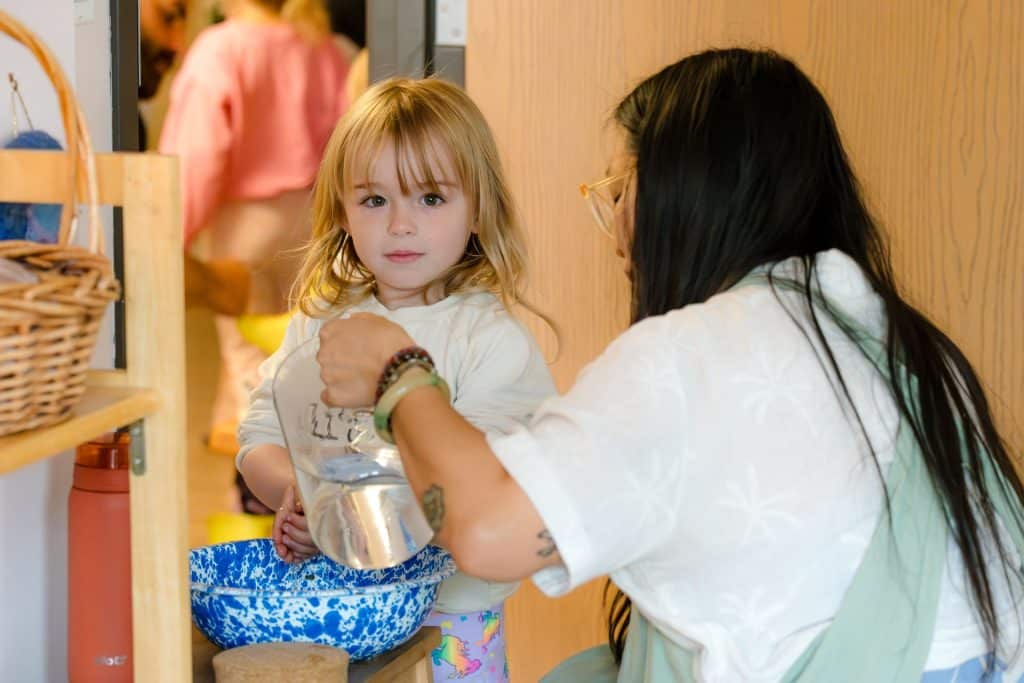
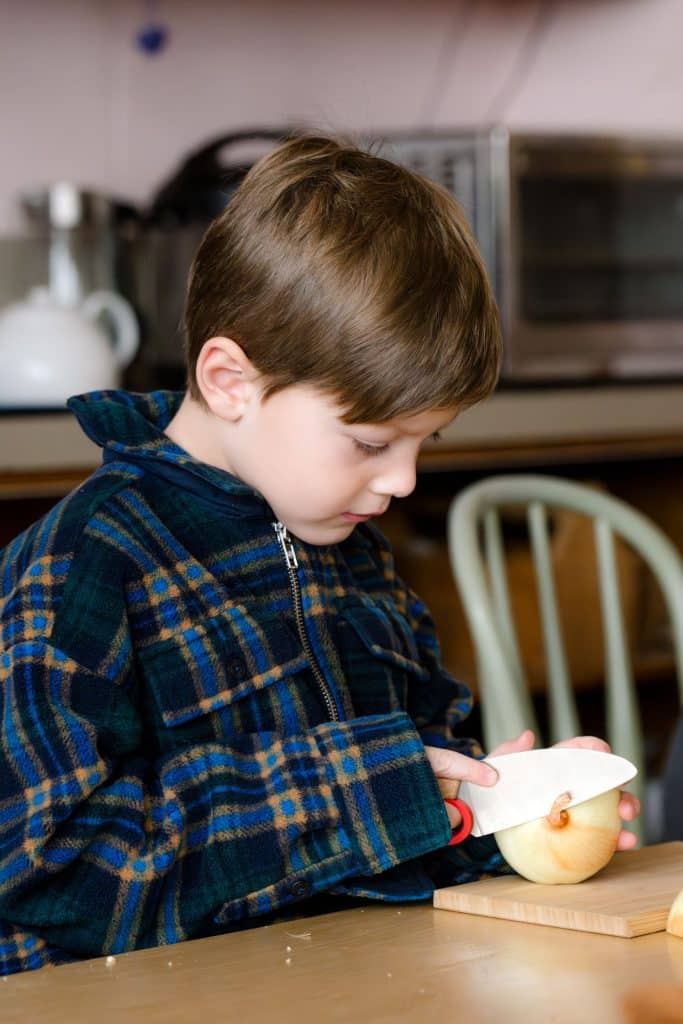
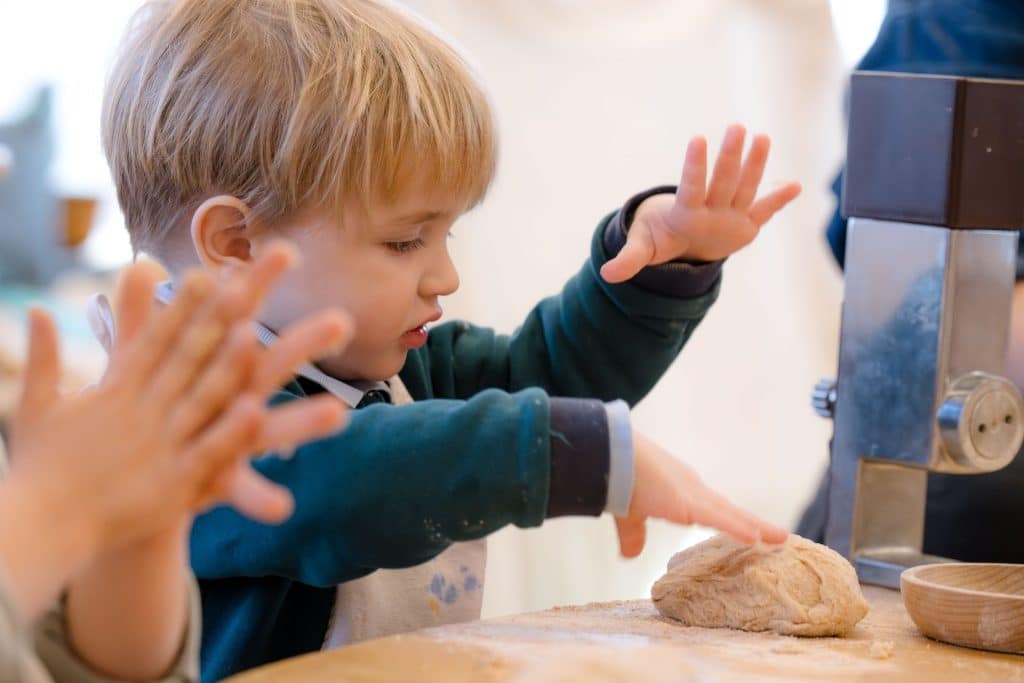
    The children are active participants in all aspects of the day: measuring flour and kneading dough for bread, preparing vegetables for soup, setting the table and serving classmates at snack time, mending and maintaining beloved classroom playthings all carried out with as much independence as possible on the part of the children. These activities build confidence and gratitude, foster an attitude of respect for their environment and develop in children an understanding of their responsibility to their community.

    early childhood boy student preparing food with teacher
  • Artistic Activities

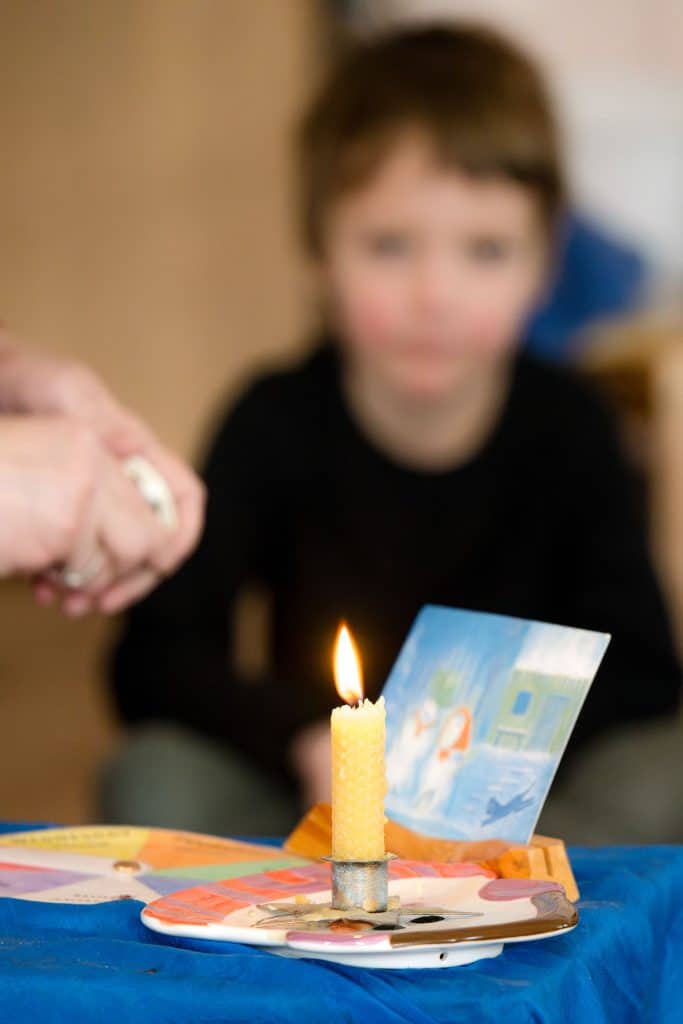
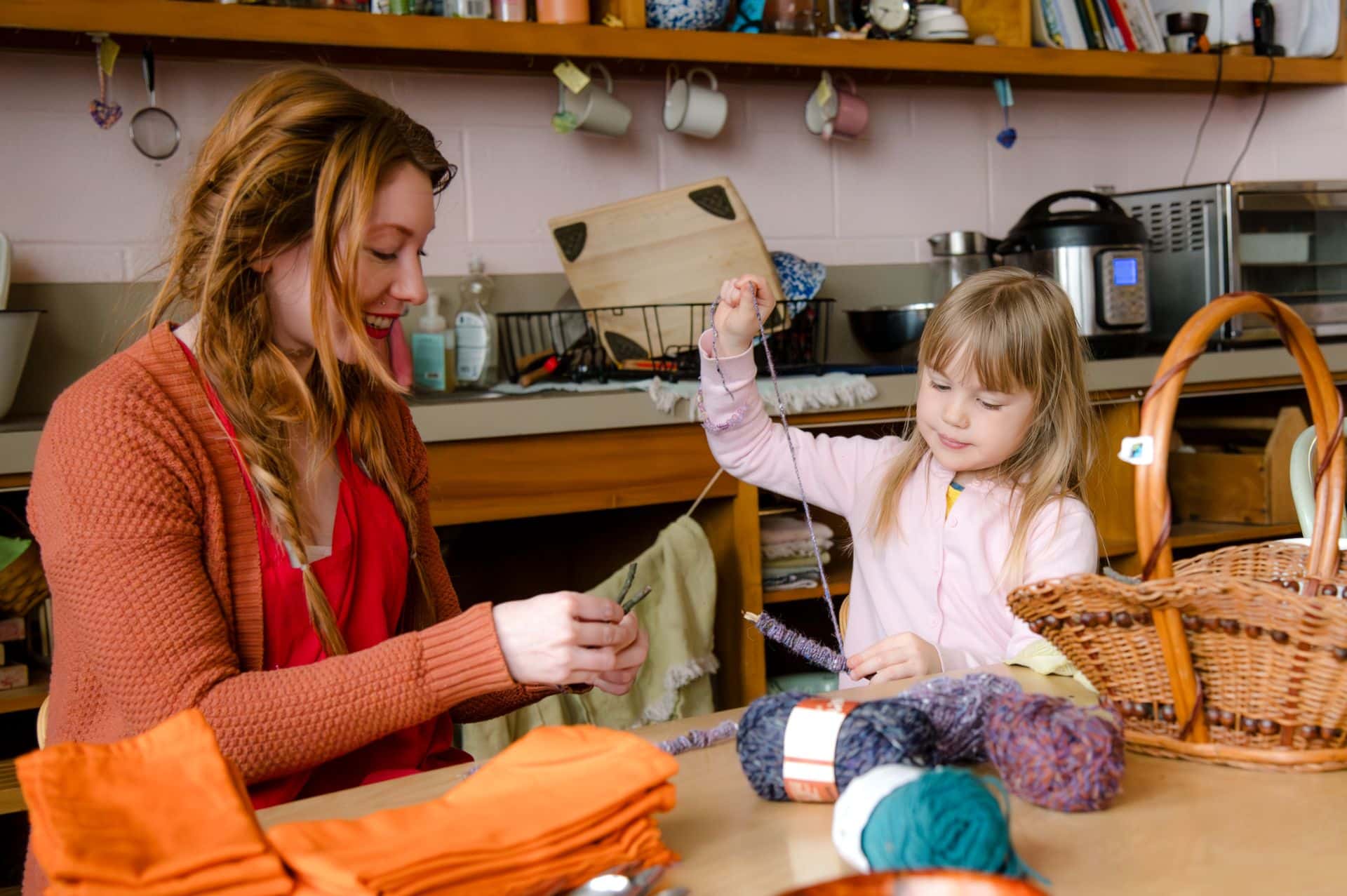
    Children explore color with wondrous liquid watercolors, model with warm, sweet-smelling beeswax, learn to finger-knit yarn, wetfelt wool roving, and create beautiful seasonal crafts using items from nature, wool, silk, and wood. The ability to create objects that are both beautiful and functional is a lifelong gift and provides an opportunity to improve fine motor skills while developing focus and attention, critical thinking and problem solving abilities.

  • Sensory Development

    Waldorf Education is based on child development. As a result, a child’s age is the primary factor in determining which class they belong in. The curriculum is designed to meet the children where they are during each particular age and stage of their development, regardless of where they are in their academic skills.

    Our Early Childhood classes are mixed age groups, with Garden Gate for the youngest children and their parents (0-3 year olds), Tulip Poplar and Sundrop Early Childhood classes for our 3-4 year olds, and Goldenrod and Morning Glory Early Childhood Classes for our 4-6 year olds. Children move into first grade when they are 6-7 years old, and then move through the grades with the same group of children and often the same teacher for several years.

    young girl student outside in nature
  • Sensory Development, cont.

    Waldorf education takes a deep look at sensory development through a lens that is somewhat different than other schools. We recognize that a child’s relationship to their body and the senses of touch, balance, movement, and life forms the foundation for all learning they will encounter in grade school and beyond.

    • Touch – Where does my body end and the world begin? Can I feel my whole body?
    • Balance – Can I stand upright? Stand on one leg? Walk a balance beam? Can I move up, down, right, left, forward and backward with ease?
    • Movement – Can I feel where I am in space? Am I in control of the movements of my body? Can I move freely? Are my fine and gross motor coordination skillful?
    • Life – Can I feel when I am hungry? Can I feel if I am tired or energized? Can I feel if I am sick?
    3 girls in early childhood class kneeling and playing
get started

Start the Enrollment Process

Send a brief form, and our enrollment specialists will call you by the next business day to learn about your child, share how Waldorf nurtures whole-child growth, and answer every question you have.

Inquire Now
5 early childhood students outside in winter jackets